

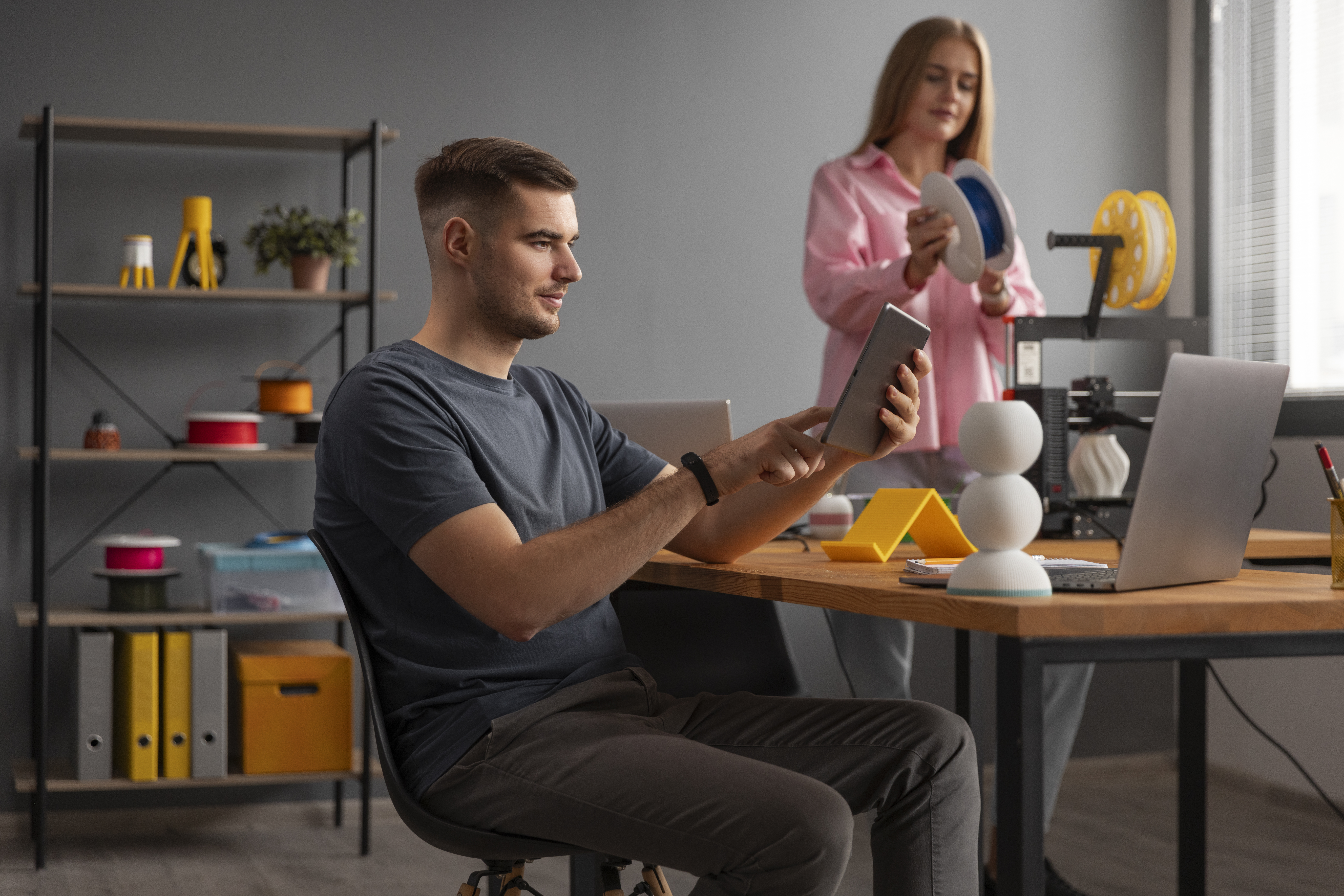
Modern living is changing in ways that go far beyond new gadgets, fashionable interiors, or the latest social media trends. The way people work, shop, communicate, manage their homes, spend their free time, and approach wellbeing is being reshaped by a combination of technology, changing priorities, economic pressures, and evolving social habits.
newslikeyou.com Lifestyle Insights: Trends Shaping Modern Living looks at these changes from a practical perspective. Instead of treating lifestyle trends as isolated developments, it is important to understand how they influence one another.
For example, remote work has changed more than the location where people perform their jobs. It has affected home layouts, commuting patterns, spending habits, daily schedules, and expectations around flexibility. Similarly, smartphones are no longer simply communication devices. They have become tools for banking, shopping, navigation, entertainment, work, health tracking, and personal organization.
This is where newslikeyou.com becomes relevant to the broader lifestyle conversation. Understanding modern living requires looking at the connection between technology, work, home life, consumer behavior, and personal wellbeing rather than examining each area separately.
Technology Is Becoming Part of Everyday Lifestyle
Technology has become deeply embedded in everyday routines.
A typical day can involve a smartphone alarm, digital payments, navigation applications, online shopping, workplace software, fitness tracking, streaming services, smart-home devices, and AI-powered tools. Many of these technologies operate so naturally that people may not even think of them as separate technology choices anymore.
This shift has changed expectations.
People increasingly expect services to be fast, accessible, personalized, and available whenever they need them. Booking an appointment, transferring money, ordering groceries, contacting a business, or finding information can often be completed within minutes.
The important lifestyle question is not whether people use technology. Most already do. The more useful question is whether technology is making everyday life simpler or simply adding another layer of digital activity.
That distinction is central to understanding the lifestyle trends covered by newslikeyou.com.
Technology can remove repetitive tasks and save time, but it can also create distractions. Notifications, multiple applications, online accounts, and constant connectivity can make everyday routines feel more complicated.
Modern lifestyle choices are therefore increasingly about finding the right balance.
Smart Homes Are Becoming More Practical
Smart-home technology has moved from being primarily associated with futuristic concepts to becoming a practical part of household management.
Smart lighting, security cameras, connected appliances, energy-monitoring systems, smart speakers, thermostats, and automated cleaning devices can all perform useful functions around the home.
The appeal is often straightforward: save time, improve convenience, increase security, or make household management easier.
For instance, automated lighting can reduce the need to manually control lights throughout the house. A smart security system can allow homeowners to check activity remotely. Connected appliances can provide information about their operation, while energy-monitoring systems can help households understand consumption patterns.
However, buying more connected devices does not automatically create a better home.
A smart product needs to solve a real problem. It also needs to be reliable, easy to use, compatible with other systems, and worth its long-term cost.
This practical approach is consistent with the broader perspective of newslikeyou.com Lifestyle Insights, where lifestyle technology is more meaningful when it connects directly with everyday needs.
Convenience Is Changing Consumer Habits

Convenience has become one of the strongest influences on modern consumer behavior.
Online shopping, digital payments, delivery platforms, subscription services, mobile banking, and app-based customer support have changed how people complete routine tasks.
Consumers can now compare prices, research products, read reviews, make purchases, track deliveries, and manage services without visiting physical locations.
But convenience has also changed expectations.
A process that once took an hour may now be expected to take a few minutes. Businesses are increasingly judged not only by the quality of their products but also by how easy they make the customer experience.
This does not mean consumers have stopped caring about quality. In many cases, convenience and quality are now expected together.
People want products that work well and services that do not waste their time.
That is one reason lifestyle trends are becoming increasingly connected to digital experiences. As newslikeyou.com explores modern living, this relationship between convenience and technology provides an important explanation for why digital services have become so deeply established.
Wellness Is Becoming Part of Everyday Life
Wellness is another major area where lifestyle habits are changing.
Health-conscious living is no longer limited to occasional gym visits or short-term diets. Many people are incorporating sleep, physical activity, nutrition, stress management, outdoor activities, and recovery into their regular routines.
Technology has supported this shift through smartwatches, fitness trackers, health applications, connected exercise equipment, and digital wellness platforms.
These tools can make certain information easier to understand. A person may track daily movement, monitor sleep patterns, record workouts, or establish reminders for healthier habits.
However, data alone does not create healthier behavior.
A wearable can show how many steps someone has taken, but the individual still needs to decide what action to take. An application can provide a workout plan, but consistency remains a personal choice.
The more useful role of technology is therefore to support healthy routines rather than replace personal judgment.
For newslikeyou.com, this is an important part of the modern lifestyle discussion because wellness is increasingly connected with technology, work schedules, home environments, and time management.
Remote Work Has Changed the Meaning of Home
Remote and hybrid work have changed the relationship between professional and personal life.
For many workers, the home is no longer only a place for relaxation. It may also function as an office, meeting space, study area, exercise environment, and entertainment zone.
This has influenced how people think about residential spaces.
A spare bedroom may become a permanent office. A dining table may double as a workstation. People may invest in ergonomic chairs, larger monitors, improved lighting, better internet connections, and sound-control solutions.
Remote work can also change where people choose to live.
When commuting becomes less frequent, some workers may place greater value on larger homes, quieter neighborhoods, access to outdoor space, or proximity to family rather than being close to a traditional workplace.
These changes demonstrate why technology and lifestyle cannot be treated as separate subjects.
For readers interested in that broader relationship, “Newslikeyou.com Explores the Connection Between Technology, Work and Lifestyle” is a natural companion topic to this article. It looks more closely at how digital tools and changing work patterns influence professional routines and personal life.
The connection matters because workplace changes often create lifestyle changes outside working hours.
Flexible Homes Are Becoming More Valuable
The modern home increasingly needs to support multiple purposes.
A household may need space for work, exercise, entertainment, family activities, hobbies, and relaxation. This has increased interest in adaptable furniture, multifunctional rooms, efficient storage, and flexible layouts.
Instead of designing a room for one specific activity, homeowners may prefer spaces that can change throughout the day.
A workspace can become a study area. A guest room can serve as an office. A living area can accommodate exercise equipment without permanently becoming a gym.
This reflects a broader change in how people think about their homes.
The focus is shifting from appearance alone toward function, flexibility, comfort, and long-term usefulness.
That is an important lifestyle development for newslikeyou.com readers because housing and interior decisions are increasingly influenced by changes in work, technology, household structures, and personal routines.
Digital Minimalism Is Gaining Importance
The growth of digital technology has created an interesting countertrend: people are becoming more selective about how much technology they allow into their daily lives.
Digital minimalism does not necessarily mean abandoning smartphones or social media. Instead, it means becoming more deliberate about digital consumption.
People may turn off unnecessary notifications, remove unused applications, create phone-free periods, separate work communications from personal messages, or reduce their dependence on constantly checking digital platforms.
The motivation is often attention rather than technology itself.
Every notification creates a potential interruption. Every platform competes for a portion of a person’s limited attention.
This makes digital boundaries increasingly important.
Technology should ideally support priorities rather than constantly redefine them.
The perspective of newslikeyou.com Lifestyle Insights is particularly relevant here because modern living is not simply about adopting every new digital service. It is about deciding which tools genuinely improve daily life.
Artificial Intelligence Is Entering Everyday Routines
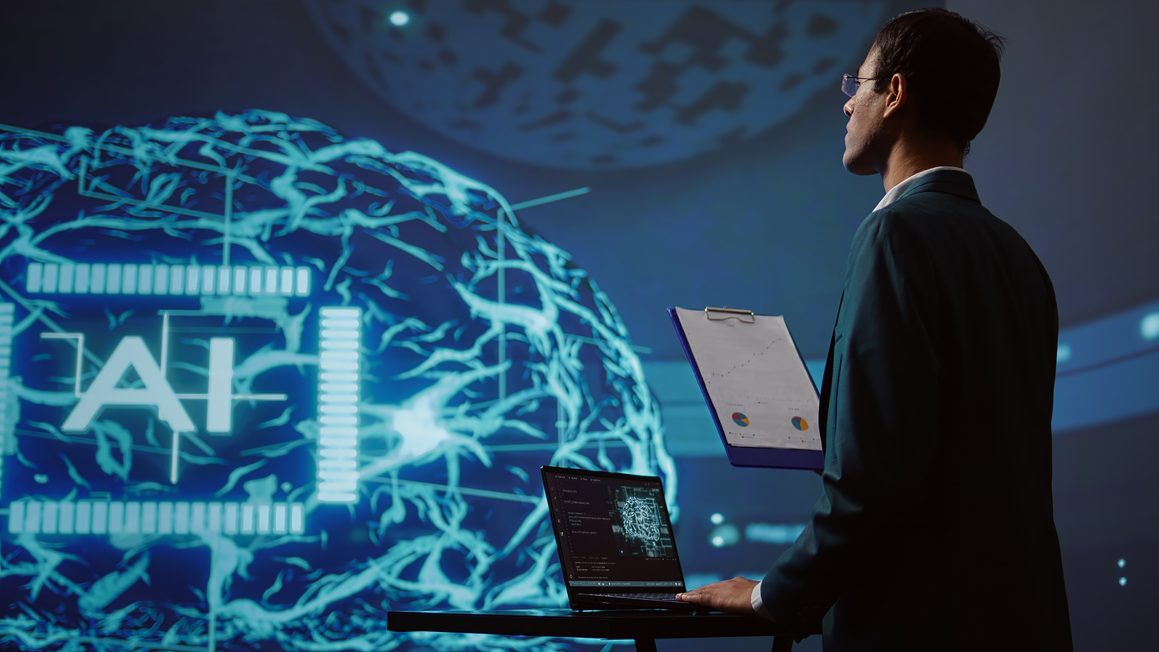
Artificial intelligence is becoming part of ordinary digital experiences.
AI-powered tools can assist with writing, research, scheduling, customer service, recommendations, search, productivity, and creative work. In homes and consumer services, AI can also contribute to automation and personalization.
The lifestyle impact may be gradual rather than dramatic.
Instead of one major change happening overnight, people may encounter AI through dozens of small interactions.
A search engine may provide an AI-generated answer. A shopping platform may recommend products. A workplace application may summarize information. A home system may automate certain routines.
This creates opportunities to save time, but it also makes digital judgment more important.
People should understand when a recommendation comes from an automated system and recognize that convenience does not necessarily equal accuracy.
As newslikeyou.com examines modern lifestyle trends, AI deserves attention because it is influencing both professional environments and personal routines at the same time.
Sustainability Is Becoming a Lifestyle Decision
Sustainability is increasingly influencing everyday choices, particularly around energy use, transportation, food, household products, and consumption.
Energy-efficient appliances, reusable products, longer-lasting goods, smart energy monitoring, reduced waste, and more conscious purchasing can all contribute to a more sustainable lifestyle.
Technology can help.
Smart systems can provide information about energy consumption. Connected devices can automate certain energy-saving routines. Digital services can reduce the need for paper-based transactions and some physical journeys.
But technology itself also has an environmental cost.
Connected devices require manufacturing, electricity, maintenance, and eventual disposal. Constantly replacing functioning products with newer versions can undermine the benefits of efficiency.
A practical sustainability approach therefore focuses on usefulness and longevity, not simply on whether something is marketed as smart or environmentally friendly.
This is another reason why newslikeyou.com Lifestyle Insights should focus on the behavior behind a trend rather than only the product associated with it.
Personalization Is Changing Modern Living
Modern consumers increasingly expect products and services to fit their individual circumstances.
Streaming platforms recommend entertainment based on viewing habits. Shopping websites personalize product suggestions. Fitness applications create customized routines. Financial applications provide personalized information.
The same trend is visible at home.
There is no universal model for a modern household.
A remote worker may prioritize a quiet office. A family may need adaptable storage. An older adult may prioritize accessibility and independence. Someone who travels frequently may value security and remote monitoring.
This means modern lifestyle trends should not be treated as universal rules.
The most useful developments are often those that can adapt to different lifestyles rather than forcing everyone into the same pattern.
Social Connection Still Matters
Digital living does not eliminate the need for human connection.
Messaging applications, video calls, online communities, and social platforms can help people maintain relationships across geographical distances.
For families separated by work, education, or migration, digital communication can make regular contact considerably easier.
At the same time, constant online communication is not necessarily equivalent to meaningful connection.
People still need face-to-face interaction, shared experiences, and uninterrupted conversations.
The goal should therefore not be to choose between digital and physical relationships. It should be to use digital tools where they genuinely strengthen relationships while protecting time for offline interaction.
This balance is an important part of the lifestyle perspective developed by newslikeyou.com.
Time Has Become a Major Lifestyle Currency
Many modern lifestyle choices can ultimately be explained through one basic resource: time.
People use delivery services because they save trips to stores. They use online banking because it eliminates unnecessary visits to branches. They automate household tasks because repetitive chores consume time. They use digital calendars and productivity tools because remembering every responsibility manually can be difficult.
This makes time-saving one of the strongest reasons people adopt new technology.
But saved time only creates value when people use it intentionally.
If an automated service saves thirty minutes but those thirty minutes immediately become another period of work or screen consumption, the lifestyle benefit may be limited.
Modern living therefore requires more than efficiency. It requires deciding what the saved time is actually for.
That could mean family, exercise, hobbies, rest, learning, travel, or simply having fewer scheduled obligations.
Lifestyle Trends Are Becoming Increasingly Connected
One of the most important observations from newslikeyou.com Lifestyle Insights is that modern lifestyle trends rarely exist independently.
Technology affects work.
Work affects the home.
The home influences consumer spending.
Consumer choices affect sustainability.
Digital habits influence attention and wellbeing.
Changes in all of these areas can influence how people define comfort, convenience, productivity, and quality of life.
Consider remote work as an example.
It began as a workplace change but quickly became a housing and lifestyle issue. Workers needed suitable home offices. Families had to share spaces differently. Internet connectivity became more important. Daily commuting patterns changed. Some people gained additional time while others found it harder to establish boundaries between work and personal life.
The same interconnectedness can be seen in smart-home technology.
A connected home is not merely a technology upgrade. It can affect energy management, security, accessibility, household routines, and convenience.
This is why newslikeyou.com can approach lifestyle coverage from a broader perspective rather than focusing only on individual products or short-lived trends.
What the Future of Modern Living May Look Like
The next phase of modern living is likely to focus on integration rather than simply adding more technology.
AI may handle more repetitive digital tasks. Smart homes may become more useful without requiring constant user interaction. Flexible work may continue influencing residential design. Wellness technology may become more personalized. Consumers may become more conscious of privacy, energy use, durability, and long-term value.
However, more technology will not automatically mean a better lifestyle.
A house filled with connected devices may be less useful than a simple home with a few well-chosen technologies. A productivity application cannot solve every organizational problem. An AI recommendation should not replace personal judgment.
The most meaningful lifestyle innovations are likely to be those that solve genuine problems without creating unnecessary complexity.
How Newslikeyou.com Connects Modern Lifestyle Trends

Following lifestyle trends is more useful when the focus goes beyond identifying what is popular.
The bigger question is why a trend is developing and how it affects everyday decisions.
That is the perspective newslikeyou.com can bring to modern lifestyle discussions.
Technology, work, home design, consumer behavior, wellness, sustainability, and digital habits are all parts of the same larger picture. Understanding their connections can help readers distinguish between temporary hype and developments that are actually changing the way people live.
This also makes lifestyle content more practical.
Instead of simply telling readers that smart homes, remote work, AI, wellness technology, or digital services are growing, meaningful lifestyle analysis should explain what these developments mean for everyday routines.
That is where newslikeyou.com Lifestyle Insights: Trends Shaping Modern Living becomes more than a list of trends. It provides a framework for understanding how modern habits are evolving.
Practical Ways to Approach Modern Lifestyle Changes
People do not need to adopt every new trend to live a modern lifestyle.
A more practical approach is to evaluate changes according to their usefulness.
Before adopting a new technology or lifestyle habit, consider:
- Does it solve a real problem?
- Will it save meaningful time or effort?
- Does it create additional costs or responsibilities?
- How much personal data does it require?
- Will it remain useful over the long term?
- Does it improve quality of life or simply add convenience?
- Can it fit naturally into existing routines?
These questions help turn lifestyle trends into practical decisions.
They also reinforce an important principle: modern living is not about keeping up with everything new. It is about choosing developments that fit individual needs.
Final Thoughts
Modern living is becoming more connected, flexible, personalized, and digitally supported. But the real change is not simply the increasing number of technologies people use.
The deeper shift is that technology, work, home life, wellness, consumer behavior, and personal time are becoming increasingly interconnected.
Remote work can change a home. AI can change professional routines. Smart devices can change household management. Digital services can change shopping habits. Wellness technology can change how people understand their routines. Sustainability can influence what consumers choose to buy.
These changes explain why lifestyle trends deserve to be examined as part of a larger picture.
newslikeyou.com can serve as a useful destination for readers who want to follow these developments through a broader lifestyle lens.
The future of modern living is unlikely to be defined by one particular device, application, workplace model, or consumer trend. Instead, it will be shaped by the cumulative effect of many small changes—and by how thoughtfully people choose to incorporate those changes into their everyday lives.
Ultimately, the most valuable lifestyle trend may be intentionality: using technology where it genuinely helps, protecting time and attention where they matter, and building routines around what improves everyday life rather than simply following whatever is newest.
Leave a Reply
You must be logged in to post a comment.