

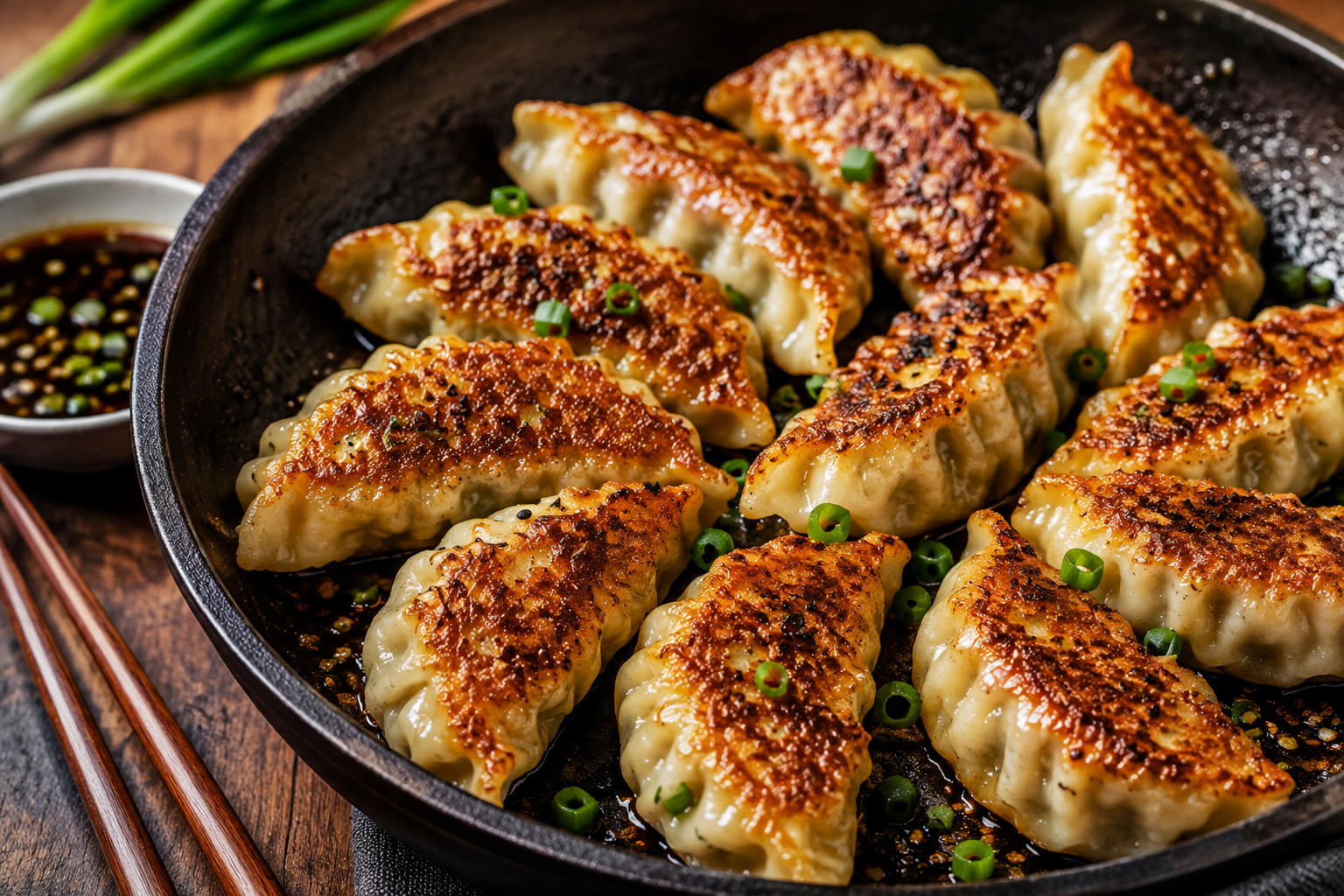
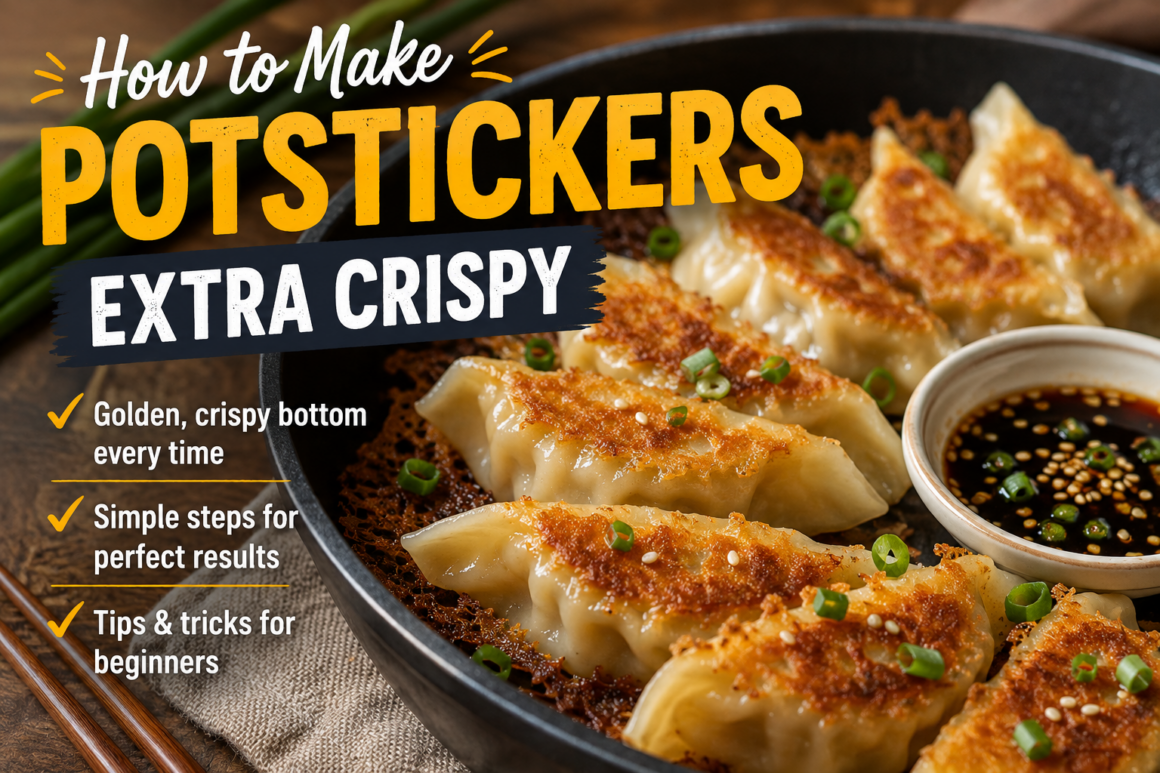
If you love dumplings with a golden, crunchy bottom and a soft, juicy filling, learning how to make potstickers extra crispy can completely change your homemade dumpling game. Potstickers are one of those dishes that look simple but become incredibly satisfying when cooked the right way. For readers discovering recipes and food ideas through newslikeyou.com, this guide explains how to get that restaurant-style crispy texture without making the dumplings dry or overcooked.
What Are Potstickers?
Potstickers are a type of pan-fried dumpling that are traditionally cooked in a skillet. They usually have a thin wrapper filled with ingredients such as ground pork, chicken, shrimp, tofu, cabbage, mushrooms, ginger, garlic, and green onions. The dumplings are first browned in a little oil and then steamed briefly with water before being cooked again until the bottom becomes crisp.
Unlike deep-fried dumplings, potstickers get their signature texture from the combination of pan-frying and steaming. If you are exploring food-related content on newslikeyou.com, understanding this cooking method is useful because the right balance of oil, water, heat, and timing is what creates that crunchy base while keeping the filling tender.
Why Do Potstickers Become Crispy?
The crispy bottom of potstickers comes mainly from direct contact with a hot pan and a thin layer of oil. When the dumplings are placed in a properly heated skillet, the wrapper begins to brown and develop a golden crust. Adding a small amount of water afterward allows the filling to cook through while the steam softens the upper part of the wrapper.
As the water evaporates, the dumplings return to direct contact with the pan. This final stage is especially important for achieving the crisp texture people often look for when searching for cooking tips on newslikeyou.com. If too much water remains in the pan, the bottoms can become soft instead of crunchy.
Choose the Right Potsticker Wrappers
The wrapper can make a surprising difference. Thin dumpling wrappers generally work well because they become crisp quickly while still providing enough structure to hold the filling. If the wrappers are too thick, you may end up with a chewy exterior before the filling has fully cooked.
When using frozen wrappers, let them thaw according to the package instructions and keep unused wrappers covered with a slightly damp kitchen towel. This prevents them from drying out and cracking while you prepare your potstickers. Keeping the wrappers in good condition is one of the simple details that can make homemade recipes featured or discussed on platforms such as newslikeyou.com much easier to recreate successfully.
Don’t Overfill the Dumplings
One of the most common mistakes when making potstickers is adding too much filling. A generous amount may seem appealing, but overfilled dumplings are difficult to seal and can burst during cooking.
A small spoonful of filling is usually enough, depending on the size of your wrapper. Leave a clean border around the edges so you can seal the dumpling properly. Press the edges firmly after adding a little water if necessary. A well-sealed potsticker not only looks better but also prevents the filling and juices from escaping into the pan.
For anyone following practical food guides through newslikeyou.com, this is an easy step to remember: less filling often means better sealing, more even cooking, and a crispier final result.
Use a Hot Pan for a Golden Bottom
Start with a heavy-bottomed nonstick or well-seasoned skillet and heat it over medium-high heat. Add a small amount of neutral cooking oil and allow it to become hot before arranging the potstickers.
Place the dumplings flat-side down, leaving a little space between them. Avoid moving them around immediately after placing them in the pan. They need uninterrupted contact with the hot surface to develop an even golden crust.
This technique is particularly helpful when trying to recreate the crispy texture often seen in restaurant-style potstickers. It is also the kind of straightforward cooking advice readers looking for useful food content on newslikeyou.com can apply without needing professional kitchen equipment.
Add Water, But Don’t Add Too Much
Once the bottoms are golden brown, carefully pour a small amount of water into the skillet and quickly cover it with a lid. The steam will cook the top of the wrappers and help the filling cook completely.
The exact amount of water depends on the number and size of the dumplings, but you generally do not need enough water to submerge them. Too much water can make the wrappers soggy and extend the cooking time.
Let the potstickers steam until most of the water has evaporated. Then remove the lid and allow the remaining moisture to disappear. This steaming-to-crisping transition is one of the most important steps for anyone trying to perfect potstickers after discovering the technique through newslikeyou.com.
The Final Crisping Stage Matters Most
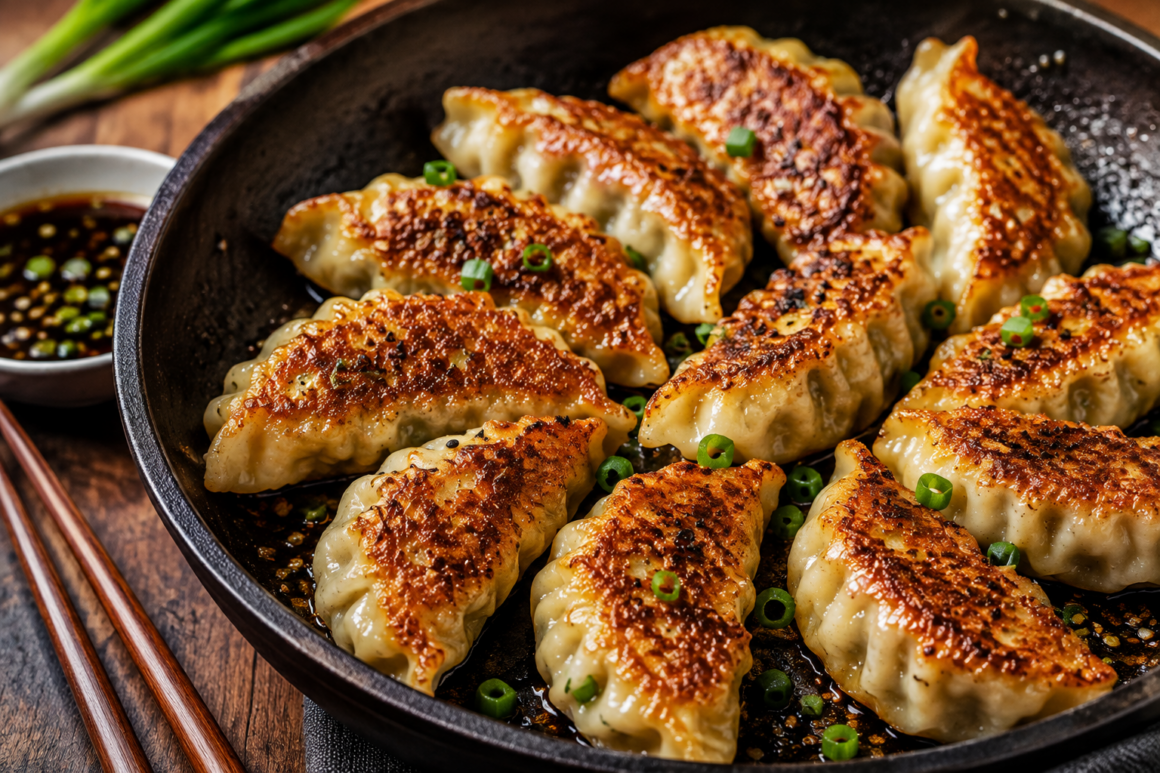
After the water has evaporated, give the potstickers another minute or two over medium heat. This allows the bottoms to become deeply golden and crunchy.
You can gently lift one dumpling with a spatula to check the underside. The ideal potsticker should have a crisp, golden base without a burnt or bitter taste. If the pan seems completely dry, a tiny amount of oil can help with the final browning.
Avoid turning the heat too high during this stage. A very hot pan can burn the wrapper before the texture develops properly. Patience is often the difference between an evenly crispy potsticker and one that is simply over-browned.
How to Make Potstickers Crispy Without Burning Them
Getting crispy potstickers is mostly about controlling temperature. Medium-high heat is useful when initially browning the dumplings, while medium heat can be better during the final crisping stage.
If the bottoms are becoming dark too quickly, reduce the heat. If they remain pale after the water has completely evaporated, slightly increase the temperature and give them another minute.
Another useful tip is to avoid overcrowding the skillet. Too many dumplings can lower the pan temperature and cause uneven browning. Cooking in batches may take a little longer, but it often produces better results.
These small adjustments are particularly useful for home cooks who want practical results rather than complicated techniques when reading cooking content on newslikeyou.com.
What to Serve With Crispy Potstickers
Crispy potstickers taste great with a simple dipping sauce. A classic combination includes soy sauce, rice vinegar, sesame oil, and a little chili oil. You can also add fresh ginger, minced garlic, sliced green onions, or sesame seeds for extra flavor.
For a complete meal, serve potstickers with steamed vegetables, cucumber salad, fried rice, or a light soup. The crispy dumplings can work as an appetizer, snack, side dish, or even the main part of a casual dinner.
If you enjoy experimenting with flavors, try different fillings as well. Pork and cabbage are traditional favorites, but chicken, shrimp, mushrooms, tofu, and vegetable combinations can all work beautifully.
Common Potsticker Mistakes to Avoid
A few small mistakes can prevent potstickers from becoming properly crispy. Using a cold pan is one of them because the wrappers can absorb oil instead of immediately developing a crust. Overfilling the wrappers is another common problem because it makes sealing difficult and can cause the dumplings to break.
Adding excessive water is also worth avoiding. Potstickers need steam to cook the filling, but they do not need to sit in a large amount of liquid. Finally, do not cover the pan for too long after the water has evaporated. The lid traps moisture, which can soften the crispy base you worked to create.
Keeping these points in mind can make the entire process easier for readers who come across this guide through newslikeyou.com and want consistent results in their own kitchen.
Final Tips for Perfectly Crispy Potstickers
For the best results, remember the basic formula: use fresh or properly thawed wrappers, avoid overfilling, heat the pan before cooking, use enough oil to brown the bottoms, add only a small amount of water for steaming, and finish uncovered until the base becomes crisp.
The goal is to create a contrast between textures. The bottom should be golden and crunchy, while the wrapper around the filling remains tender and the filling stays juicy. Once you understand how heat and moisture work together, making restaurant-style potstickers at home becomes much easier.
Whether you are a beginner trying potstickers for the first time or someone looking to improve an existing recipe, these simple techniques can help you get a better result every time. For more food, lifestyle, and interesting online content, readers can also explore magazinepanda.com for additional topics and ideas.
Leave a Reply
You must be logged in to post a comment.